
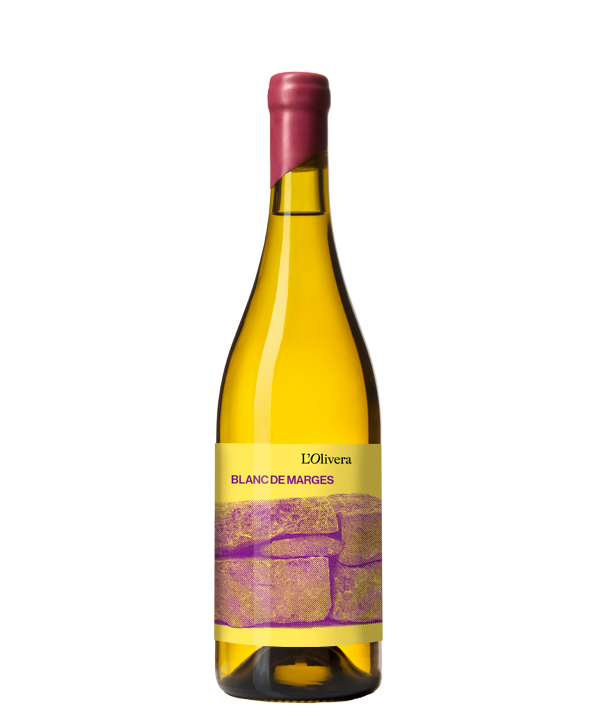
White wine
2023
Xarel·lo, White grenache, Malvasia
Blanc de Marges
14.75€

In stock

Blanc de Marges

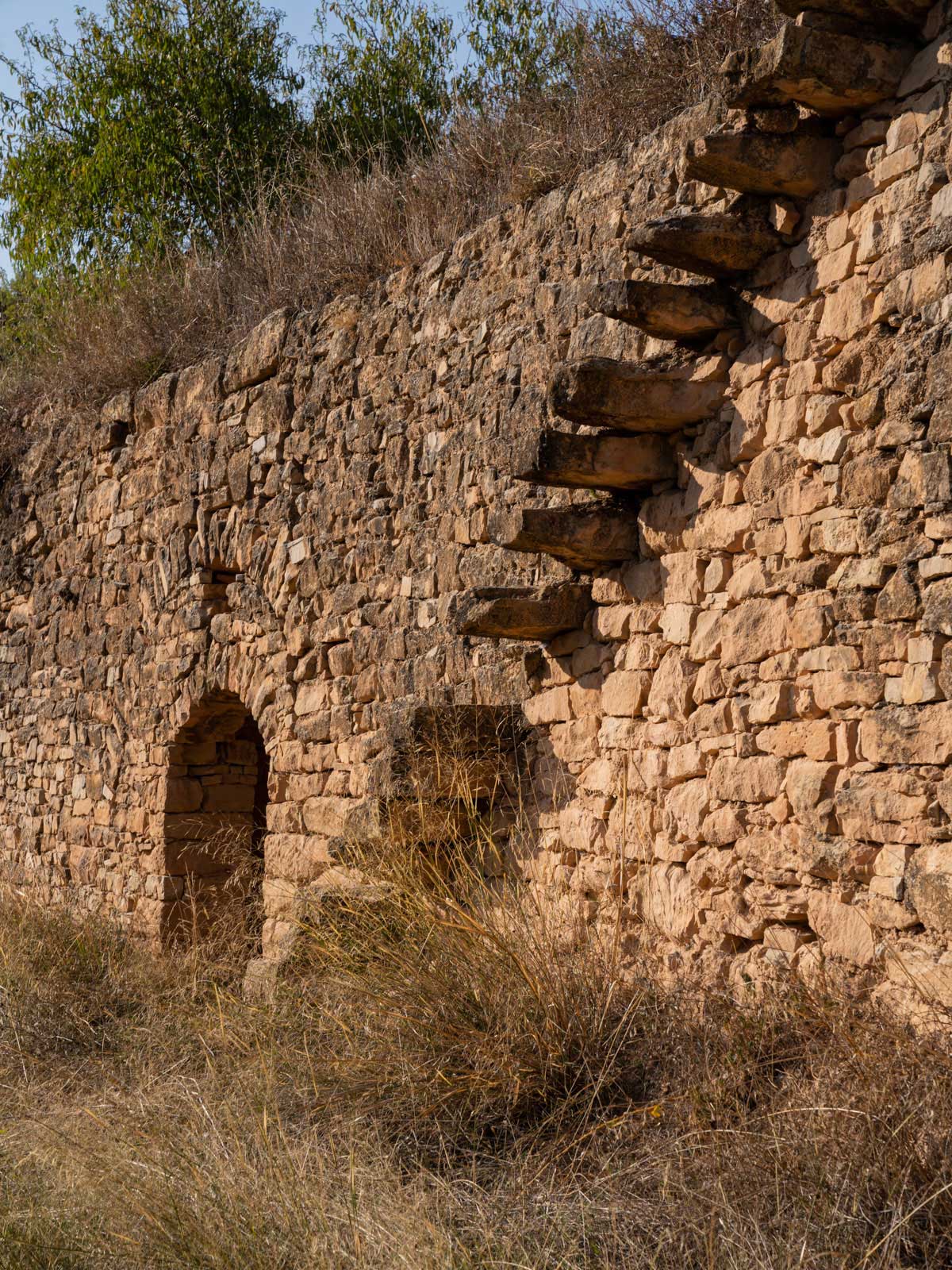
Vallbona de les Monges is a land of drystone walls. Known in Catalan as marges, they surround the estates and are testimony to a lively and resilient farming past we are striving to uphold. Blanc de Marges is keen to reflect that landscape, the first white wine with minimal intervention from L’Olivera, a path towards respect for the varietal character in search of its purest expresion.
A wine that is made by itself, with spontaneous fermentation in the vineyard and no added sulphites, a commitment to maximum respect for the varietal character in search of its purest expression. And also, a bet on recovered varieties, with Xarel·lo as the main variety, which gives it structure, but also the fresh and aromatic touch of Malvasia and the freshness of Grenache white.

Terroir

ORIGIN: Tros de Nalec and Catxassa vineyards, in the Corb River Valley subzone of the Costers del Segre DO. Plots characterised by the drystone walls that surround the vineyards, preserving the fertility of the soil and the efficiency of the water. SOIL: Chalky clay soil with changing levels of stoniness and depth. CLIMATE: The climate is continental Mediterranean, with cold dry winters and hot summers tempered by the soft evening breeze blowing in from the sea that cools the night, particularly during the ripening season. The scarce rainfall is concentrated in autumn and spring (350-450 mm yearly).

Varieties

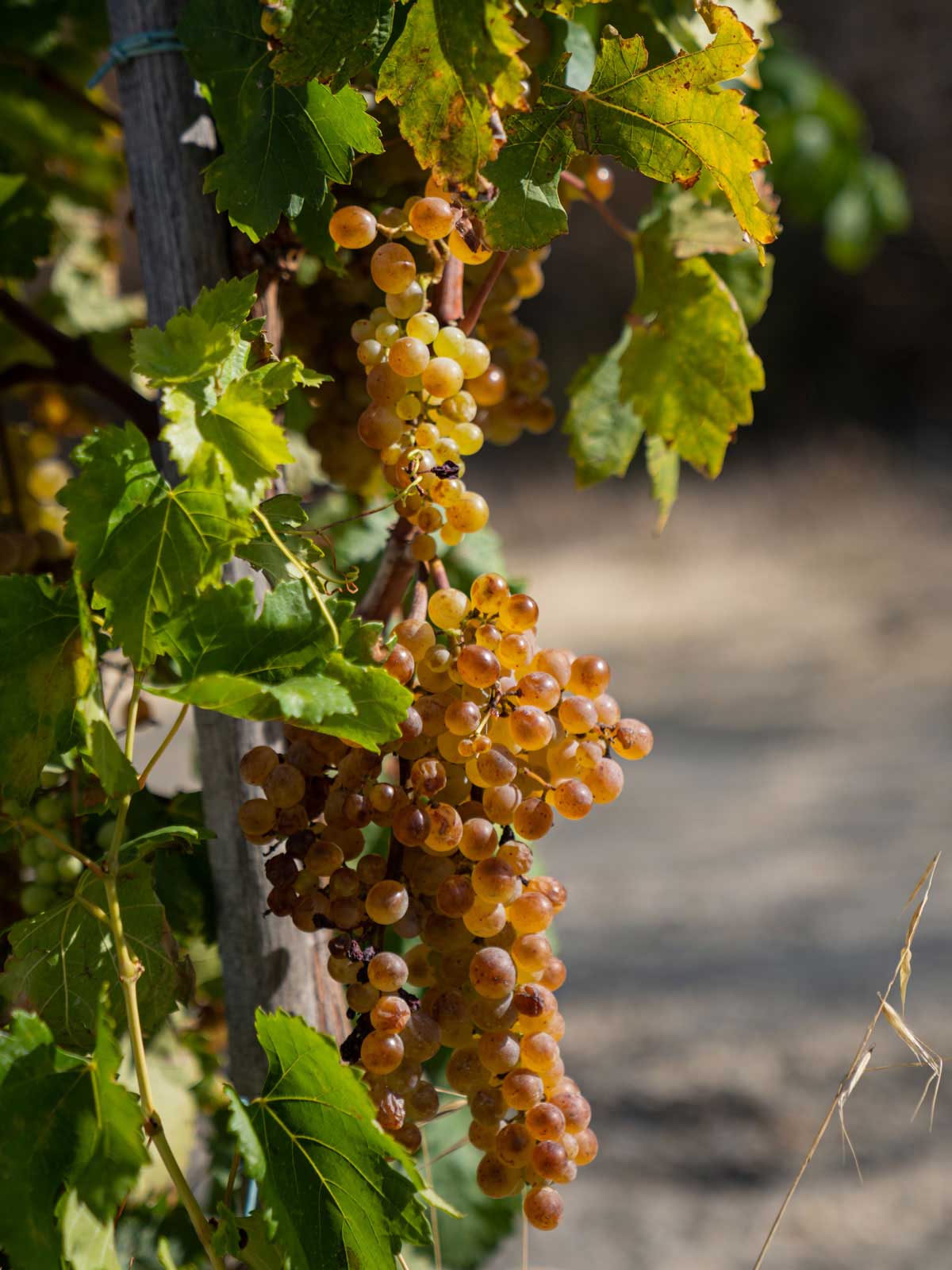
Xarel·lo (45%), Malvasia (23%) and White grenache (17%)

Vine growing

Organic farming. Manual harvest in crates of 10-12 kg.

Wine processing

The grapes are trodden underfoot in the vineyard itself, where spontaneous fermentation begins with wild yeasts, without temperature control and without additives.

Production

2024 vintage: 1,735 bottles

Technical sheet
Blanc de Marges 2024

Characteristics of the vintage

The 2024 vintage, like those of 2022 and 2023, was very challenging in terms of climate. In our area, rainfall was very scarce until autumn, adding to the persistent drought of the previous two years. As a result, under dry-farming conditions, plant development was more about resilience than productivity. Additionally, the frost on the night of April 23 severely affected the tender shoots, especially in the vineyards located at the bottom of the valley. These conditions reduced productivity to 20% of the annual average. In terms of temperature, the harvest was not brought forward as much as in the previous two vintages, and it lasted a bit longer: it took place between August 21 and October 8. Nevertheless, the drought and low humidity contributed to grapes with excellent sanitary conditions, free from fungi and diseases.

Viticulture and wine processing

Organic dry farming. Manual harvest in boxes of 10-12 kg and selection of grapes in the vineyard. The grapes are trodden underefoot in the vineyard itself, where the spontaneous fermentation begins with wild yeasts. Fermentation ends in the cellar, in a stainless-steel tank, without temperature control and without additives, to obtain a wine with minimal intervention. Fermentation ends once all the sugars have been consumed and that is when the wine is bottled.

Analysis

Alcohol content: 12.67%
Total acidity: 3.5 g/l (sulphuric acid)
Volatile acidity: 0.27 g/l
Residual sugar: <0.2 g/l (glucose+fructose)
Total sulphur: 11 mg/l

Tasting notes

Straw yellow colour. Straw yellow colour. Intense nose, with sweet aromas, notes of apricot and white peach and a salty hint of sea fennel. On the palate, it is round and voluminous, well balanced and clean. Its smoothness and balsamic touch stand out. The new Blanc de Marges pairs well with cold dishes that contain a salty touch. It is also a good choice alongside pasta with basil pesto or white meat dishes such as chicken with orange. It will work perfectly with recipes based on aromatic herbs.